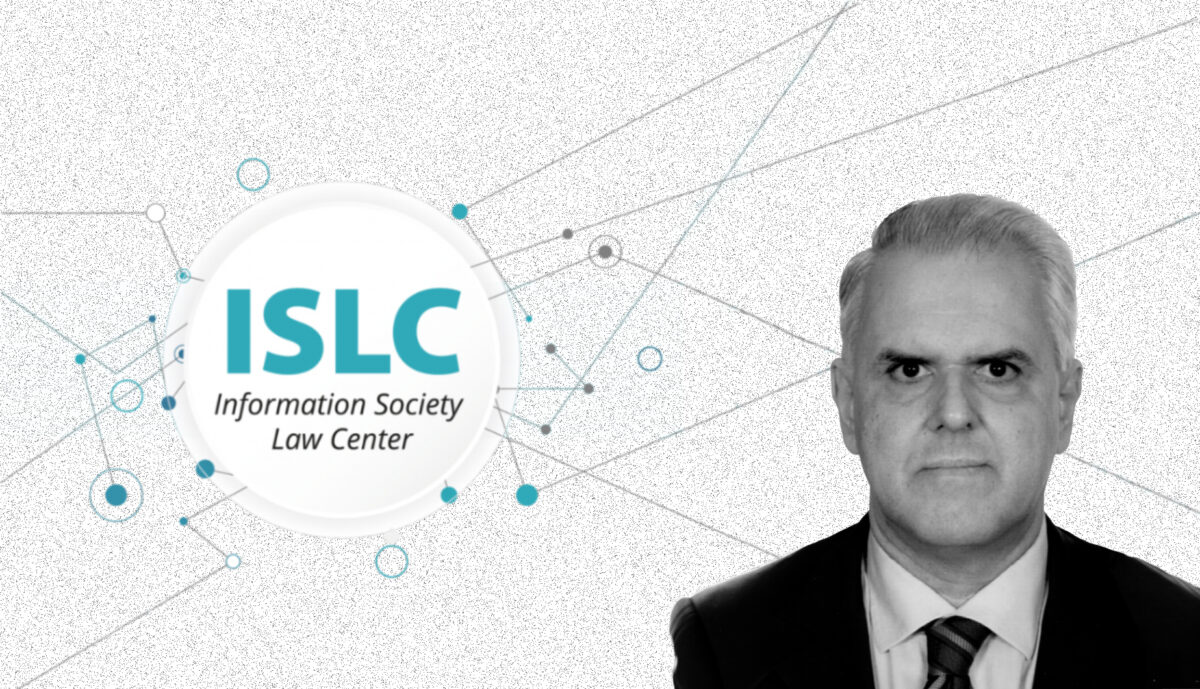
Malwina Anna is a PhD candidate at the University of Bologna.
She is interested in topics on the intersection of health, human rights, bioethics, and new technologies. Her PhD thesis focuses on the regulation of healthcare AI and algorithmic discrimination in healthcare.
She is a graduate of LLB English and European Law of the Queen Mary University of London and she holds a LLM Legal Studies from the University of Bologna.

Marta Stroppa is a Ph.D. Candidate in Human Rights and Global Politics at the Sant’Anna School of Advanced Studies.
Her research focuses on the legal implications of new technologies (in particular, cyber capabilities and AI) in the use of force and conduct of hostilities.
She previously worked in the Legal Affairs Office of the Permanent Mission of Italy to the United Nations in New York and in the Global Maritime Crime Programme of United Nations Office on Drugs and Crime.
Stroppa holds a Bachelor’s and Master’s Degree in International Relations from the University of Milan and a Master of Laws in International and Human Rights Law from Tilburg University.

Nasiruddin Nezaami is currently visiting SLS Fellow at Stanford University and Chair of the Law Department at the American University of Afghanistan.
***
In May 2022, Nezaami crossed the Afghanistan-Pakistan border under highly dangerous conditions due to the Taliban’s takeover. He managed to reach the United States and is now starting his second year as a visiting fellow at Stanford Law School. Nezaami is also engaged in research and teaching in various areas of law, including technology law and data privacy. Additionally, he provides online support to female law students in Afghanistan, whose lives have been upended by the Taliban’s ban on women pursuing higher education.
Nezaami’s commitment to the protection of Afghan women is internationally recognized, and he is actively supported in his endeavors by the ISLC.
***
He started his career as an assistant professor of law at Kabul University in 2012 and has served as Vice-Dean for the Faculty of Law and Political Science at Kabul University. He has an LLM from the University of Washington, and an LLB from Kabul University.
He is Country Director for Afghanistan for the Higher Education Teaching and Learning (HETL) Association and serves as a peer reviewer for some prestigious international journals. Previously, he has been a member of the Afghan Penal Code Commentary committee where he wrote the commentary on cybercrimes and environmental crimes of the Afghan Penal Code. He has worked with a number of organizations as an independent consultant. His publications include articles in law journals, book chapters, and one book as a co-editor for the Emerald Publishing.
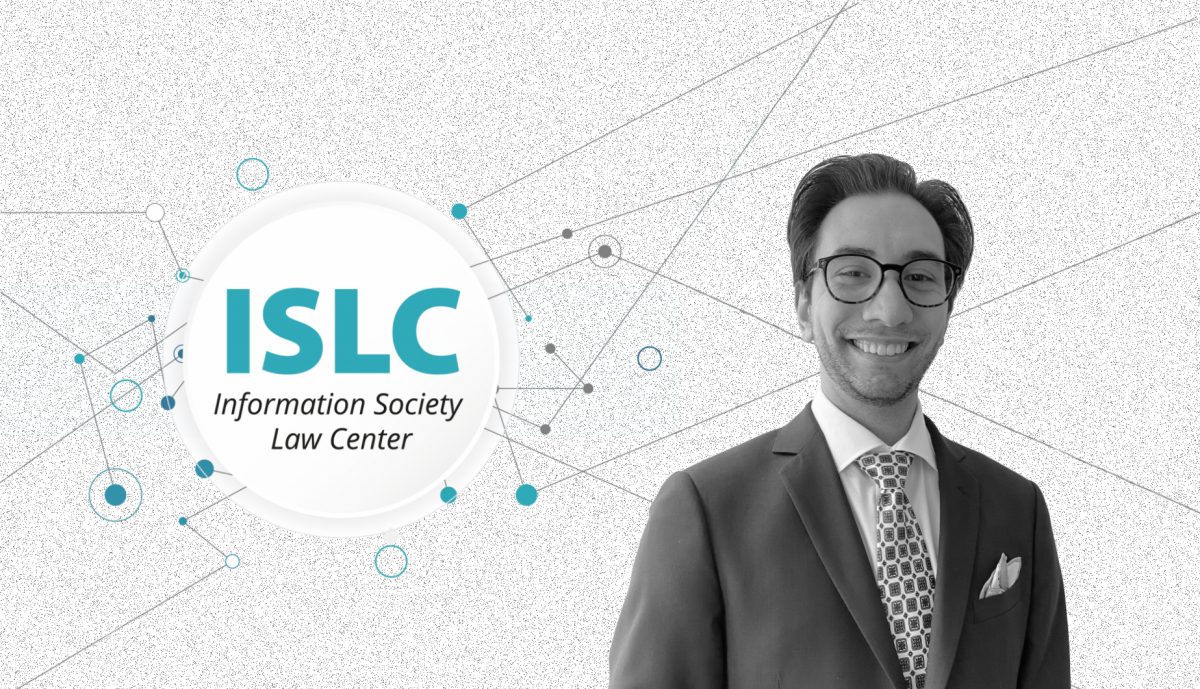
Alessandro is attending a second-level master’s course in Cybersecurity at the University of Milan.
Alessandro has a Bachelor’s and Master’s Degree in cybersecurity and a specialization in cybercrime and digital investigations from the University of Milan.
He consults daily on cybersecurity, privacy, and IP compliance. He is also a computer-forensic consultant in civil litigation. In addition, he audits, optimizes and digitizes business processes. His areas of research are: cybersecurity, cybersecurity law, compliance, personal data protection and intellectual property protection.
Dr Kim Barker is a Senior Lecturer in law at the Open University Law School, specialising in internet law including online violence against women, online misogyny, online hate speech, regulation of online content (especially via social media platforms and online games), and intellectual property law (copyright, and digital content).
She holds a PhD in Intellectual Property Law, Internet Regulation and Contract Law from Aberystwyth University.
Dr Barker’s research interests focus on regulation of online multi-user environments, particularly social media and online games.
Her areas of expertise include social media regulation, online harms & online safety, online abuse, particularly online misogyny and online violence against women, online violence, online hate speech, intellectual property law (copyright, digital copyright & online content creation), and aspects of online contractual regulation.
Kim’s interests lie in control of content and regulation of multi-user online environments including online gaming, and social media in particular.
Zoi Krokida is a Lecturer in AI, Innovation and Law Intellectual Property Law and European Law at the Brunel University London, UK. She is also a Fellow of the Higher Education Academy and has published in the field of ISP liability in peer- review journals.
She is a qualified lawyer and member of the Athens Bar Association since 2012, having working experience in the legal and policy sector in Athens and Brussels, respectively. Zoi has a Law degree from Greece, an LLM in European Commercial Law from the University of Freiburg, and a PhD in Intellectual property law from the University of Reading with a thesis called A critical evaluation of the regulatory framework of hosting information society service providers; liability for copyright and trademark infringements: criticisms, challenges and recommendations. She was a Lecturer in the Law School at De Montfort University. and at the Stirling University.
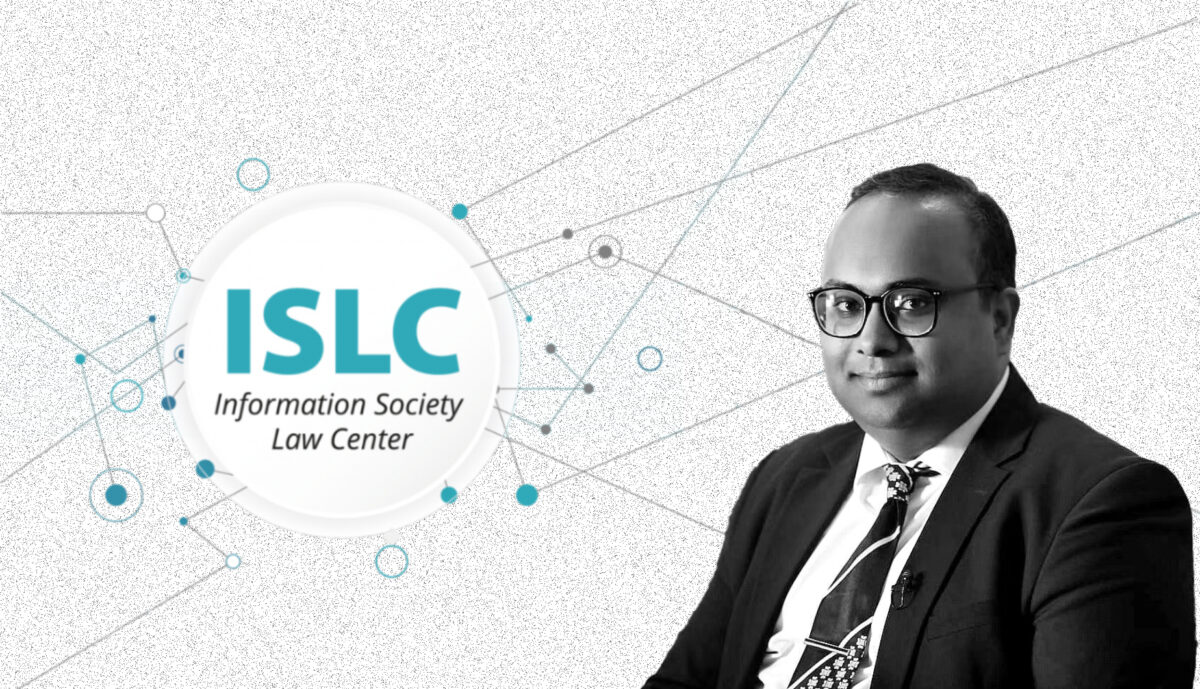
Ammar Younas is currently pursuing his PhD in Philosophy at University of Chinese Academy of Sciences.
He studied Chinese Law as Chinese Government Scholar at Tsinghua University School of Law in Beijing, China.
He also holds degrees in Medicine, Jurisprudence, Finance, Political Marketing, International and Comparative Politics and Human Rights from Kyrgyzstan, Italy, and Lebanon. Ammar is interested in Legal Philosophy, Constitutional Law, Human Rights, Tech Law, and Artificial Intelligence.
He is the founder of Central Asia Tech Law.
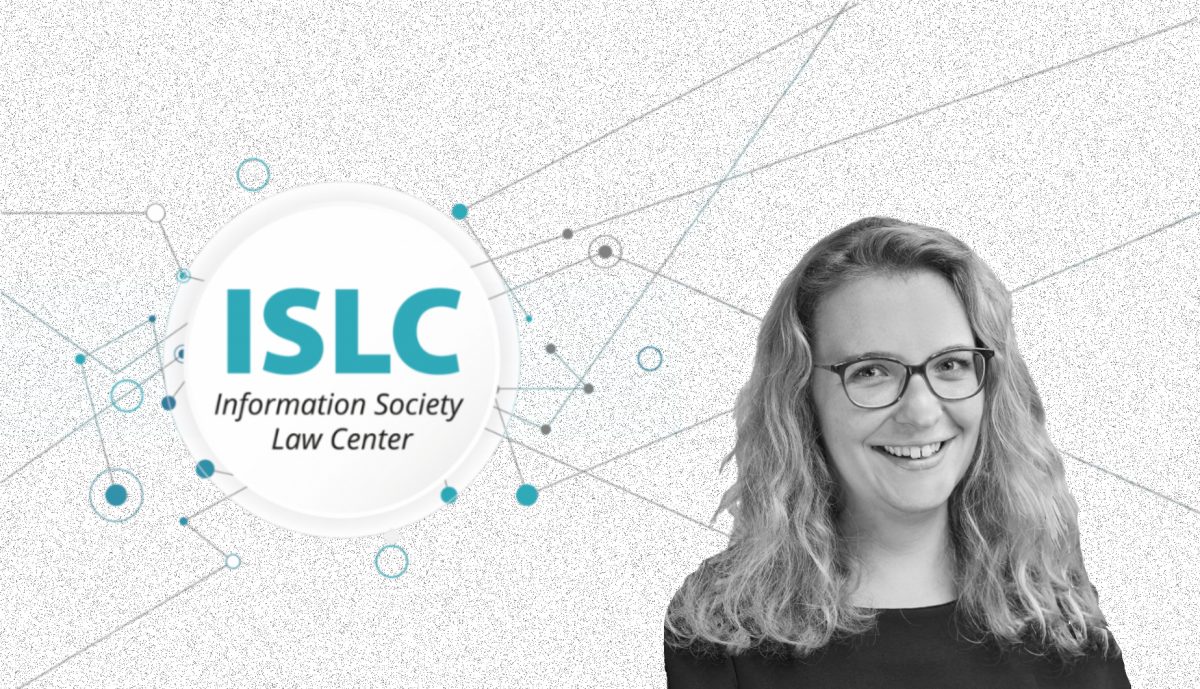
Nynke Vellinga is a postdoctoral researcher at the Security, Technology & e-Privacy (STeP) research group of the Faculty of Law of the University of Groningen, The Netherlands. Currently, Nynke is a member of the ITU focus group on AI for autonomous and assisted driving.
Back in 2020, Nynke successfully defended her PhD thesis, titled ‘Legal Aspects of Automated Driving. On Drivers, Producers, and Public Authorities’, at the same university. Her PhD research concerned several legal challenges arising from automated driving, covering topics such as (international) traffic laws and product liability. Nynke has published a number of articles in leading journals on law and technology. In addition, she has co-authored a report on the legislative changes necessary for automated vehicles to be tested on public roads, commissioned by the Dutch Ministry of Infrastructure and the Environment (2015).
Currently, the legal framework for cybersecurity in automated vehicles (as part of the Cybersecurity Noord-Nederland project) is one of Nynke’s main research focuses.
Adithya Variath is an Assistant Professor of Law at Maharashtra National Law University Mumbai, India. He is the Coordinator of the Centre for Research in Air and Space Law and Faculty Editor of the Law and Pop Culture Forum at MNLU Mumbai. He also serves as an Expert at the UNESCO, Inclusive Policy Lab. He is also a Research Fellow at the Information Society Law Center, University of Milan, Italy (2022-23 & 2023-25) and a Research Group Member at the Center for AI and Digital Policy, USA (2022). As a researcher, his work focuses on International Law, air and space law and environmental law and policy. He writes frequently on issues of international law for Geopolitics, Modern Diplomacy, Times of Israel, etc. He has presented papers at conferences and workshops hosted by the University of Cambridge, King’s College London, University of Pretoria and Graduate Institute, Geneva, among others. His recent works include ‘An Introduction to International Law’ (Thomson Reuters, 2021) and ‘A Handbook of International Aviation Law’ (Thomson Reuters, 2023). He is also a member of the International Academy of Space Law, Russia. He is the founding Editor of the Indian Review of Air and Space Law.